
Home › Mold After a Flood in Lafayette, LA
Mold After a Flood in Lafayette, LA
The first 48 hours decide whether you have a cleanup or a remediation project. Here is what to do, what to throw out and when to call a crew.
- 24 to 48 hours
- Floodwater safety
- What to discard
- Insurance
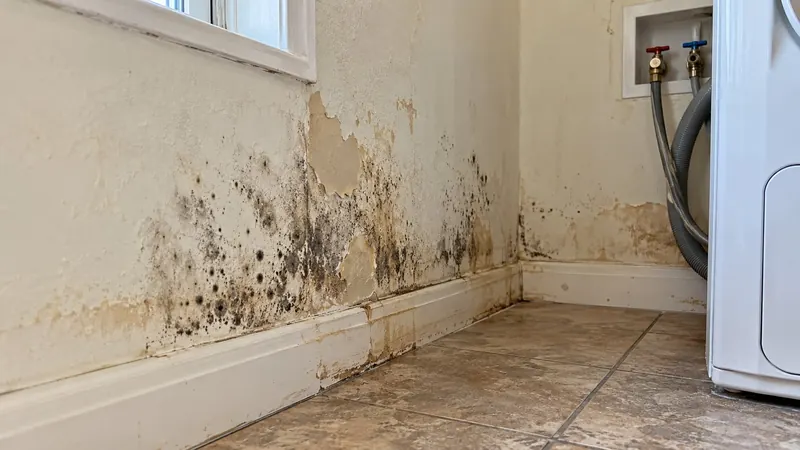
How fast does mold grow after a flood?
Mold can begin growing on wet materials within 24 to 48 hours, which is why the EPA says to dry or remove wet items inside that window. In Lafayette’s humid climate, drywall, insulation and carpet that stay wet past two days are likely to need removal.
The first 48 hours
Stay safe
Do not enter if the power is on or water is still high. Turn off electricity at the main breaker only if you can do it safely, and treat floodwater as contaminated.
Document
Take dated photos and video of the water line, damage and belongings before moving anything. Your insurer or FEMA may need them.
Call your insurer
Standard homeowners policies generally exclude flooding. Flood coverage, such as NFIP, is separate. Ask what is needed.
Remove water
Pump out standing water gradually and remove wet items, rugs and furniture so the structure can dry.
Dry fast
Use fans, dehumidifiers and open windows when outdoor humidity allows. Aim to dry within 24 to 48 hours.
Remove what cannot be saved
Wet carpet, pad, insulation and drywall that stayed wet generally need to come out.
Clean hard surfaces
Wash with detergent and water, then dry. Floodwater is contaminated, so wear gloves, boots and an N95.
Call a crew if it is large
Anything more than about 10 square feet, any sewage involvement, or any mold smell warrants a professional look.
What to throw out and what you can keep
| Item | Usual call |
|---|---|
| Carpet and pad | Discard if soaked by floodwater. |
| Drywall and insulation | Remove if wet for more than 24 to 48 hours or contaminated. |
| Mattresses, upholstered furniture | Discard if soaked. |
| Solid wood furniture | Often can be cleaned and dried. |
| Hard surfaces (tile, concrete, metal) | Clean and disinfect, then dry. |
| Food and medicine that touched floodwater | Discard. |
Why Acadiana homes are hit hard
Lafayette Parish sits in low terrain drained by the Vermilion River and a network of coulees, and heavy rain events can overwhelm them. The August 2016 flood affected thousands of homes in the Lafayette area, and many of them had mold within days because the structures stayed wet in summer heat and humidity. The lesson from that flood: speed matters more than anything.
Do not skip the moisture check
Even after the surface dries, wall cavities, insulation and subfloors can hold moisture. A moisture meter or thermal camera shows what is still wet. Rebuilding over damp materials is a common reason mold returns.
If you have mold from a flood, our mold remediation page explains the process, and our hiring checklist helps you vet help. Floodwater cleanup calls are common after storms, so expect crews to be busy and get written scopes.
Smaller leaks are covered under mold after water damage.
Prepare before the next one with our hurricane season mold prep guide.
Frequently asked questions
How long after a flood does mold start?
Mold can start within 24 to 48 hours on wet materials. Drying fast is the best prevention.
Is it safe to stay in the house after a flood?
Not until the power and structure are checked. Floodwater is contaminated, and people with asthma or weak immune systems should avoid cleanup areas.
Will my homeowners insurance cover flood mold?
Standard policies generally exclude flooding, and mold from flooding often follows that exclusion. Flood insurance has its own rules. Call your agent.
Should I run my AC after a flood?
Only after a professional confirms the system and ducts were not flooded or contaminated. Running a contaminated system can spread spores.
When should I call a remediation company?
If more than about 10 square feet is affected, if there was sewage, if the HVAC was involved or if you smell mold after drying.
Is floodwater mold different from a roof leak?
The water is different: floodwater may carry sewage and contaminants, so porous items it soaked usually have to go, while a clean roof leak caught early can often be dried and saved. The mold itself grows the same way — the difference is what the water brought with it.
Keep reading
Mold remediation in Lafayette
The process.
Mold remediation cost
What drives the price.
Louisiana mold laws
License and insurance.
Flood mold and insurance: document first, demolish second
Before anything is torn out, photograph and video every room: wide shots for context, close-ups of water lines on walls, and the contents you are discarding. Keep a dated list of everything thrown away, and keep samples of damaged materials if the adjuster asks. Get professional moisture readings in writing — adjusters trust meter data. Do not wait for the adjuster to start emergency mitigation (pumping water, tarping a roof), but do not demolish finished areas before they have seen them unless safety forces your hand — and if you must, photograph first. For the full claims walkthrough, see our mold insurance claims help.
Lafayette, Louisiana
Talk to a Lafayette mold remediation crew
Call and tell us what you are seeing: where it is, how long the area has been wet, and how big it looks. We will tell you plainly whether it sounds like a job for a crew or something you can handle yourself.