
Home › Mold After Water Damage in Lafayette, LA
Mold After Water Damage in Lafayette, LA
Leaks, burst pipes, roof damage and appliance overflows all lead to mold if materials stay wet. Here is how to head it off or deal with it. Our mold remediation Lafayette, LA crew handles leaks of every size.
- Leaks
- Pipes
- Roof
- Appliances
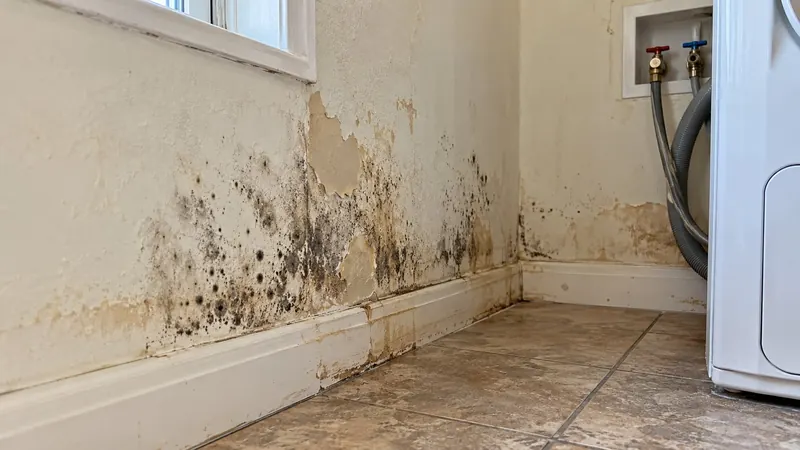
How quickly do I need to dry water damage to avoid mold?
Dry wet materials within 24 to 48 hours, as the EPA advises. After that, mold can begin growing on drywall, carpet, wood and insulation. In humid Lafayette weather, materials dry slowly without dehumidifiers and air movers, so start drying immediately and check for hidden moisture.
First steps after a leak
Stop the water
Shut off the supply or repair the roof leak.
Remove standing water
Mop, wet-vac or pump.
Open up and dry
Use fans and dehumidifiers. Remove wet carpet pad.
Check hidden areas
Look behind baseboards, under cabinets and in wall cavities.
Document
Photos, receipts and dates for insurance.
Clean water versus contaminated water
Water from a clean supply line is different from floodwater or sewage. Contaminated water requires more protective measures and often removal of porous materials. See mold after a flood for flood-related situations.
When to call a crew
- Materials stayed wet more than 48 hours
- You smell mold but see nothing
- Water got into walls, ceilings or insulation
- More than about 10 square feet is affected
Call (337) 895-1030. Read mold removal for what gets removed and mold and insurance claims for claim tips. For wet furniture and papers, see contents cleaning after mold damage. And check the mold remediation cost page before you approve a scope.
Frequently asked questions
Does a small leak cause mold?
It can. Mold needs moisture, food and time. A slow leak behind a wall can grow mold without any visible sign.
Will a dehumidifier be enough?
For minor dampness maybe. For soaked materials, structural drying equipment and removal of wet porous materials are usually needed.
Should I turn on the AC?
Yes in normal leak situations, to help dry. Not if the system was flooded or contaminated.
Will insurance pay?
Often for sudden covered water losses. Call your agent before work begins.
How long after water damage does mold become dangerous?
Mold can start colonizing in 24–48 hours. In Lafayette’s humidity, treat it as an emergency within the first day — growth is already active behind materials you can’t see by day two or three.
Keep reading
How fast mold grows
The 24 to 48 hour window and why it matters.
Mold after a flood
The first 48 hours after flooding.
Mold and insurance claims
What policies usually cover and how to document.
Clean water, gray water, black water: why the source changes the job
Not all water damage is equal. A burst supply line (clean water) mainly needs fast drying — if caught early, much of the structure can be saved. Gray water from a dishwasher, washing machine, or AC drain line carries contaminants, so porous materials it soaked have to come out rather than be dried. Black water — sewage backups, which Lafayette sees after heavy storms overwhelm lines — means everything it touched gets removed: no salvaging drywall, insulation, or flooring that absorbed it. The water category decides the whole scope, and a company that quotes remediation without asking where the water came from hasn’t scoped anything yet. Also: category changes over time. Clean water sitting in a Lafayette home for 72+ hours in summer heat effectively becomes gray water as bacteria and mold take over — another reason speed matters.
What proper post-water-damage remediation looks like
A real job follows a sequence, not a spray bottle. First, moisture mapping: meters and thermal imaging find every wet spot, including the ones that never surfaced — under baseboards, behind vanities, inside wall cavities. Second, structural drying with commercial dehumidifiers and air movers until readings hit normal — not until things “feel dry.” Third, removal of what’s beyond saving: wet insulation never dries in a wall, water-logged drywall crumbles, and swelling particle board is done. Fourth, treatment and cleaning of what stays, with HEPA vacuuming and antimicrobial treatment on framing. Fifth, a verification pass with the meter before anything is closed up — closing walls over damp lumber guarantees a second outbreak. Skip the drying-verification step and you get the classic Lafayette story: a “finished” repair that smells musty every August.
Lafayette, Louisiana
Talk to a Lafayette mold remediation crew
Call and tell us what you are seeing: where it is, how long the area has been wet and how big it looks. We will tell you plainly whether it sounds like a job for a crew or something you can handle yourself.