
Home › Mold in a Mobile Home or Trailer in Lafayette, LA
Mold in a Mobile Home or Trailer in Lafayette, LA
Mobile homes face their own moisture problems: floors, skirting, windows and condensation. Here is what to watch for.
Our mold remediation Lafayette, LA crew works on manufactured homes across the parish.
- Floors
- Skirting
- Windows
- Condensation
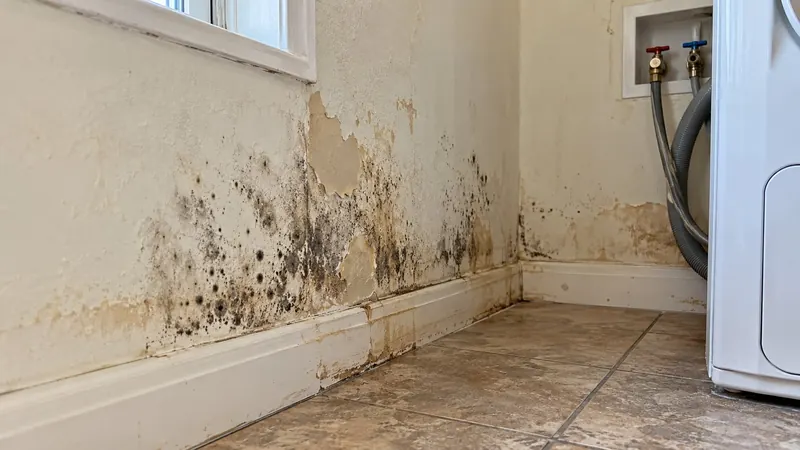
Why do mobile homes get mold?
Mobile and manufactured homes can get mold from roof and window leaks, plumbing under the floor, damp crawl areas behind skirting and condensation from air conditioning. Louisiana humidity makes it worse. Finding the moisture source is essential, because soft or stained floors and walls may hide damage.
The damp area behind skirting behaves like crawl space mold in a site-built home.
Common trouble spots
- Roof seams and vents
- Window and door seals
- Plumbing leaks under the floor
- Skirting that traps moisture
- AC ducts that sweat in belly space
- Bathrooms and laundry areas
Signs of a bigger problem
- Soft or spongy floors
- Water stains on ceilings or walls
- Persistent musty smell
- Condensation on windows
These need inspection before cleaning.
For what happens next, see our mold removal services.
What to do
Dry the area, fix leaks, and call (337) 895-1030 for larger problems. Use DIY mold cleanup for small spots. See mold in AC vents and ducts, humidity and dew point and mold after water damage.
Why mobile homes get mold faster than stick-built houses
Manufactured homes in Lafayette mold on a different timetable. The wall cavities are thinner, the insulation is often fiberglass batts pressed against the outer skin, and many homes sit on piers with a belly wrap instead of a foundation — so moisture moves through the whole structure faster and dries slower. Roof seams are the classic entry point: a factory-sealed roof that shifts on its piers after a hard rain lets water in along the marriage line, and it travels inside the ceiling panels where nobody sees it for months. Lafayette’s humidity does the rest — a mobile home’s smaller air volume means one leak can push the entire interior above the mold threshold. In Acadiana’s older mobile-home parks, especially homes placed before current HUD moisture standards, we routinely find mold behind skirting, under the belly insulation, and along the bottom plates where ground moisture wicks up. The rule for mobile homes: investigate sooner and wider than you think you need to.
The under-floor problem nobody sees
The dirtiest secret of mobile-home mold is underneath. Torn or sagging belly wrap lets warm, wet Lafayette air condense directly on the cold underside of the subfloor — that moisture has nowhere to drain and nothing to dry it, so the subfloor, floor joists, and belly insulation grow mold from below. You won’t see it from inside; the first signs are a musty smell near the floor, soft spots in vinyl flooring, or skirting that stays damp days after rain. Under-floor work means pulling the damaged belly material, treating the joists, replacing wet insulation, and resealing the wrap so the cycle doesn’t restart. Homes raised on piers after a flood face a related version: standing water under the home soaks the belly insulation, which then wicks moisture upward for weeks. Any mobile-home mold job that doesn’t include the under-floor side is half a job.
What an affordable mobile-home mold job actually includes
“Affordable” has to mean value, not corner-cutting. A proper mobile-home remediation still starts with moisture readings — we check roof seams, window flashing, the marriage line, and under-floor insulation before quoting, because pricing a job without finding the water source is a guess. Containment is adjusted for small spaces: tight rooms mean spores concentrate fast, so negative air and HEPA filtration matter even more than in a big house. Growth is removed from reachable framing, treated where framing can’t be reached, and wet belly insulation comes out — it can’t be dried in place. Skirting vents are checked and corrected so airflow under the home stays moving. The quote should itemize structural work vs. cosmetic work separately; a company that lumps them together is usually hiding what it’s skipping.
Frequently asked questions
Can mold ruin a mobile home?
Long-term moisture can damage floors and framing. Address it early.
Is mold common in older units?
Aging seals and roofs make leaks more likely.
Do I need to replace flooring?
If it is soft, stained or moldy, usually yes.
Does insurance cover it?
Depends on the cause and policy. See mold and insurance claims. Also check the mold remediation cost page before you compare bids.
Can mold in a mobile home just be painted over?
No — paint traps mold inside the material, and in a mobile home’s thin walls it keeps growing behind the fresh coat. Removal first, then sealing and paint, in that order.
Is it worth remediating an older mobile home, or should I replace it?
It depends on the structure, not the age. If the framing and subfloor are sound, remediation is usually far cheaper than replacement. If rot has compromised the floor system, we’ll tell you honestly — a written scope shows exactly where the damage ends so you can decide with real numbers.
Keep reading
Humidity and dew point
Keeping mold out in Louisiana.
Mold in AC vents and ducts
Condensation, drain pans and when to call.
DIY mold cleanup
Where the 10 square foot line is.
Lafayette, Louisiana
Talk to a Lafayette mold remediation crew
Call and tell us what you are seeing: where it is, how long the area has been wet and how big it looks. We will tell you plainly whether it sounds like a job for a crew or something you can handle yourself.