
Home › Mold in a Rental or Apartment in Lafayette, LA
Mold in a Rental or Apartment in Lafayette, LA
Tenants and landlords both have a stake. Here is how to document the problem, communicate in writing and protect your health. Our mold remediation Lafayette, LA crew works for tenants and landlords alike.
- Tenants
- Landlords
- Documentation
- Repairs
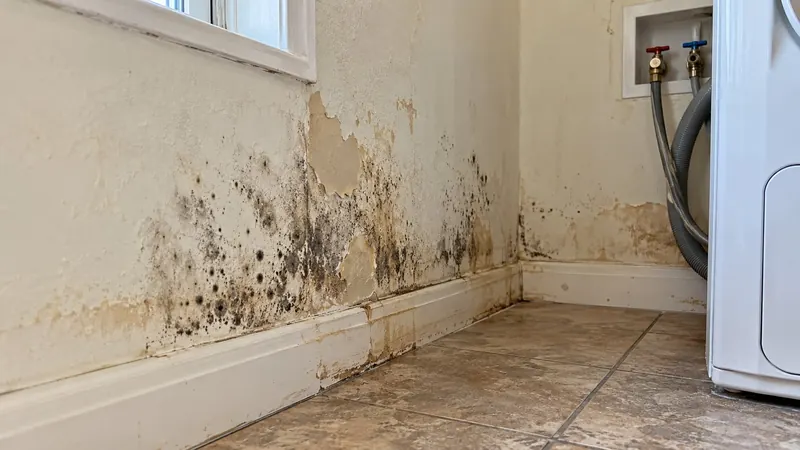
What should a tenant do about mold in a Lafayette rental?
Document the mold and any water source with dated photos, notify the landlord in writing, keep copies, and ask for repairs. Do not withhold rent or break a lease without legal advice. If health is affected, see a doctor. Landlords should stop the moisture source and remediate properly. You can also request an inspection and get the scope in writing.
For tenants
- Take dated photos and video
- Send a written notice by text, certified mail or the portal your lease requires
- Keep copies of every message
- Keep moisture-sensitive belongings away from the damp area
- See a doctor if anyone has symptoms
Louisiana tenant rights depend on your lease and state law. Consider talking with a legal aid organization or attorney before taking action.
For landlords and property managers
- Respond promptly and in writing
- Find and fix the water source first
- Use a licensed contractor when the work is above $7,500 (see Louisiana mold laws)
- Keep records of the scope and report
- Share the written report with the tenant as appropriate
See apartments and property managers for multifamily guidance.
Who pays?
Responsibility depends on the cause. Mold from a plumbing or roof leak is typically a property repair. Mold from tenant-caused moisture, such as an unreported leak, can complicate things. Renters insurance may cover belongings. See mold and insurance claims and mold on belongings.
The paper trail that protects you
In rental mold disputes, the tenant with documentation wins and the tenant with only a memory of phone calls loses. The moment you spot mold: photograph and video it with dates (your phone timestamps do this automatically), then notify your landlord in writing — text message or email counts, a hallway conversation doesn’t. Keep copies of everything: your first report, any follow-ups, their replies or silence. Note the date the mold first appeared and anything that might have caused it (a leak you reported months ago, a broken exhaust fan, storm water). If maintenance does visit, write down what they did and when. This file is what turns “I’ve been telling them for months” into something a property manager, mediator, or attorney can act on. Start it the day you see the mold, not the day the argument starts.
Louisiana mold laws for rentals, in plain English
Here’s the honest version: Louisiana has no statute that says the word “mold” in the context of rental housing. What it does have is the landlord’s general duty to maintain the property in a condition suitable for its intended use — and courts have treated serious, unaddressed mold from leaks or neglect as a breach of that duty. Your lease matters too: many Lafayette leases put day-to-day moisture control (running the bath fan, reporting leaks promptly) on the tenant and structural/water issues on the landlord. The full walkthrough — what’s covered, what’s excluded, and how Louisiana compares to neighboring states — is on our Louisiana mold laws guide. This page is general information, not legal advice; for your specific situation, talk to a Louisiana tenant-rights attorney before taking any legal step.
When the landlord won’t act
You’ve reported it in writing, you’ve waited a reasonable time, and nothing has happened. The next moves, in order: send a second written notice with a clear deadline and keep a copy. Get an independent mold inspection and testing — a written report from a third party turns a disagreement about “how bad it is” into documented fact, and it’s the piece landlords’ insurance companies actually respond to. You can request an inspection from us directly; the report is yours to share with your landlord. Meanwhile, check your renter’s insurance — most policies exclude mold, but some cover resulting damage from a covered water event, and it’s worth a phone call to know where you stand. What you should NOT do is stop paying rent on your own authority: Louisiana law is strict about rent withholding, and doing it wrong can put you in breach instead of your landlord. Get legal advice first.
Move-in and move-out mold checks
The cheapest mold protection in renting happens with a phone camera on moving day. At move-in, photograph bathrooms (grout lines, ceilings, around toilets), under every sink, window sills and tracks, and the AC closet — the five places rental mold starts most often. Email the photos to yourself so they’re timestamped. If you find growth on day one, that’s pre-existing, and the dated photos prove it. At move-out, do the same walkthrough: it protects your deposit against a landlord blaming you for mold that was already there. Landlords and property managers should run the same check between tenants — documenting a clean, dry unit at turnover ends most deposit disputes before they start, and catching a slow sink leak between tenants is infinitely cheaper than remediating a bathroom six months later.
Frequently asked questions
Can I break my lease because of mold?
That depends on the lease and the law. Get legal advice first.
Can my landlord clean it with bleach?
Bleach alone is not a fix. The EPA does not recommend routine bleach use. The moisture source must be corrected.
Who tests the apartment?
An independent assessor can, and Louisiana keeps the assessor separate from the remediator. See how mold inspection and testing works before you book.
What if my belongings are damaged?
Renters insurance may help. Document everything.
Can I withhold rent over mold in Louisiana?
Not safely on your own. Louisiana doesn’t have the straightforward rent-withholding or repair-and-deduct statutes some states do, and withholding rent without following the proper legal process can backfire into an eviction filing. Talk to a tenant attorney before you consider it.
My landlord says the mold is my fault — what now?
This is the most common deadlock. If the cause is genuinely tenant behavior (never running the bath fan, ignoring a leak you caused), the landlord has a point. If the cause is a roof leak, plumbing failure, or broken ventilation the landlord was told about, an independent inspection report settles the “whose fault” question with evidence instead of arguments.
Should I get my own inspection or wait for the landlord’s?
Get your own if the landlord is slow, dismissive, or sends a handyman who glances and leaves. An independent written report protects you regardless of what the landlord does next — and if the landlord does act properly, you’ve lost nothing.
Keep reading
Apartments and property managers
Multifamily mold response.
Mold and insurance claims
What policies usually cover and how to document.
Louisiana mold laws
License, the $7,500 threshold and the 2026 insurance minimum.
Lafayette, Louisiana
Talk to a Lafayette mold remediation crew
Call and tell us what you are seeing: where it is, how long the area has been wet and how big it looks. We will tell you plainly whether it sounds like a job for a crew or something you can handle yourself.