
Home › Mold Guide › Why Does My House Smell Musty?
Why Does My House Smell Musty?
A musty smell usually means moisture and often hidden mold. Here is how to find the source.
- Hidden moisture
- Behind walls
- HVAC
- Crawl space
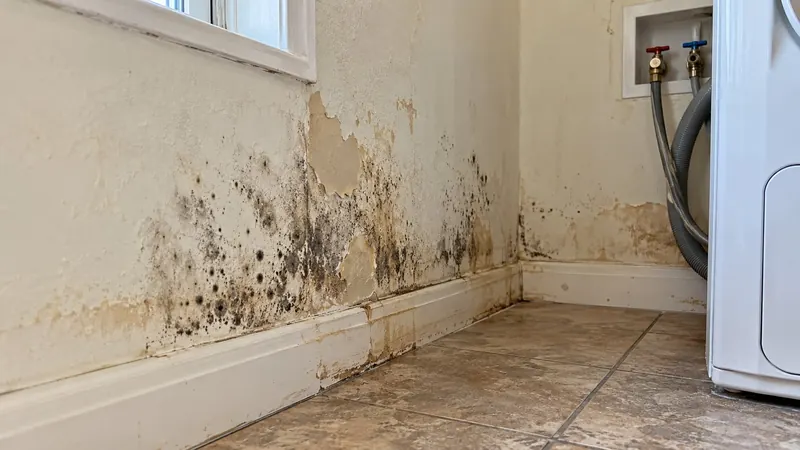
What causes a musty smell in a house?
A musty odor is usually caused by mold or mildew growing in damp, hidden places such as behind walls, under floors, in crawl spaces or in the HVAC system. The smell can appear before any visible growth. Find the moisture source first, then clean or remove what has been affected.
Where to look
- Under sinks and around appliances
- Closets and laundry rooms
- Attic and crawl space
- HVAC drain pans and vents
- Window sills and exterior walls
- Carpets and padding
How to track it down
Follow your nose
Which room or area is strongest?
Check for moisture
Look for stains, soft materials and condensation.
Use a meter
A moisture meter finds hidden damp.
Fix the source
Leaks, humidity or drainage.
Clean or remove
Based on what you find.
When to get help
If you smell mold and cannot find it, call (337) 895-1030 or consider an assessor. See mold inspection and testing, mold in closets, mold in AC vents and ducts and humidity and dew point.
Our mold guide covers the most common Lafayette mold questions in plain language.
A musty smell is often the first sign of black mold growing out of sight.
A persistent musty smell can also aggravate mold and allergies — watch for symptoms.
Frequently asked questions
Can I smell mold without seeing it?
Yes. Hidden growth often produces odor.
Will air freshener help?
No. It hides the smell, not the cause.
Is a musty smell dangerous?
It signals moisture. Address it.
Could it be something else?
Yes: sewer gas, dirty AC coils or dead pests. Investigate.
Can I find hidden mold myself?
Sometimes, if it is a small visible patch under a sink or behind a loose baseboard. Hidden growth inside walls, ductwork, or an attic is harder: it takes moisture readings and a look behind surfaces to find the source, and opening up a large area without containment can spread the problem. A professional inspection is the safer step when the smell is strong or widespread.
How do professionals find mold they cannot see?
An inspection follows the water, not just the smell. That means checking moisture levels in walls and floors, tracing plumbing and roof-leak paths, and looking at the air system and drain pan, so the source of dampness is found and fixed. Removing mold without fixing that source is what makes it come back.
Keep reading
Mold inspection and testing
When testing helps and why the assessor should be independent.
Mold in closets
Why closets grow mold.
Mold in AC vents and ducts
Condensation, drain pans and when to call.
Why a musty smell usually shows up before visible mold
A musty smell is often the first sign of a moisture problem, and it usually arrives before anything can be seen. Mold growing out of sight — inside a wall cavity, under a sink cabinet, or in ductwork — releases the compounds that people describe as musty, earthy, or damp, and those compounds travel through the air even when the growth itself is hidden. That is why a room can smell musty while its walls look clean, and why the smell often gets stronger after rain, after the air conditioning has been off for a while, or when a closet door that is normally shut is opened. A smell that fades when the room is aired out and comes back when it is closed up again is worth taking seriously, because it points to a damp spot that is still there, not to a one-off spill that has already dried. Air freshener and scented candles do not change that picture: they cover the smell while the damp spot keeps feeding growth behind the surface.
Lafayette, Louisiana
Talk to a Lafayette mold remediation crew
Call and tell us what you are seeing: where it is, how long the area has been wet and how big it looks. We will tell you plainly whether it sounds like a job for a crew or something you can handle yourself.