
Home › Buying or Selling a Home With Mold in Lafayette, LA
Buying or Selling a Home With Mold in Lafayette, LA
Mold found during a sale does not have to end the deal. Here is how buyers and sellers handle disclosure, inspection and repairs. Our mold remediation Lafayette, LA crew has handled both sides of a sale.
- Disclosure
- Inspection
- Negotiation
- Remediation
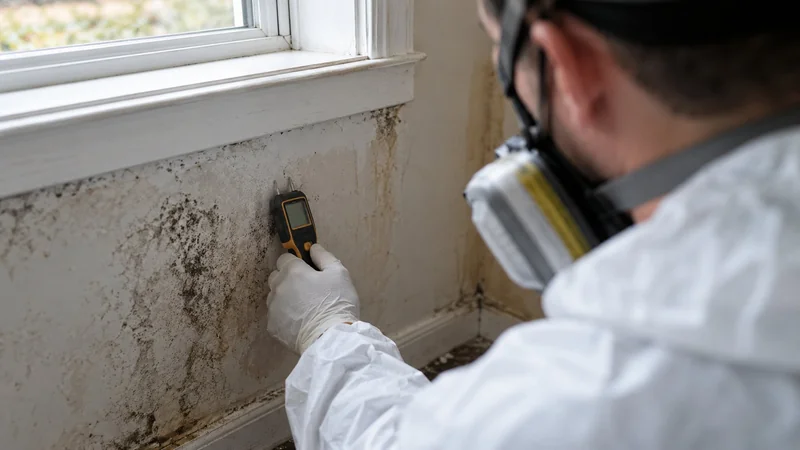
What happens if mold is found when buying or selling a house?
The buyer can ask for remediation, a price reduction or walk away if the contract allows. Louisiana generally requires sellers to complete a property disclosure on residential property. Get a written scope from a licensed remediator, an independent assessment if needed, and talk to your agent and attorney.
For buyers
- Read the seller’s disclosure carefully
- Ask for a moisture and mold inspection
- Get written remediation estimates
- Negotiate repairs or credit in writing
- Do not skip the moisture source, only the mold
For sellers
- Disclose what you know
- Fix leaks and remediate before listing if you can
- Keep written reports and invoices
- Use a licensed contractor when work exceeds $7,500 (see Louisiana mold laws)
- Retest only if there is a reason to
Louisiana law requires sellers of residential property to complete a property disclosure document. Check the current form and requirements with your agent or attorney.
How remediation fits
A written report and documented moisture fix give buyers confidence. See mold inspection and testing, mold remediation cost and hiring a mold remediation company. For an urgent closing timeline, call (337) 895-1030.
Frequently asked questions
Does mold kill a sale?
Not necessarily. Buyers often proceed with a documented remediation and repair.
Who pays?
That is negotiated. It depends on the contract.
Should I test before listing?
Testing can help if you suspect hidden mold. Use an independent assessor.
Do I need to disclose past mold?
Ask your agent or attorney. Louisiana disclosure rules apply.
Can I sell a house in Louisiana that has mold?
Yes — there’s no law against selling a home with mold, but you must disclose known mold and defects. Most sellers remediate first because an undisclosed discovery mid-transaction is far costlier than the fix.
How much does mold affect the sale price?
Undocumented, unknown-scope mold scares buyers and typically costs far more in discounts and delays than the remediation itself. A documented, professionally remediated issue with verification paperwork usually has minimal impact — it reads as maintenance, not a defect.
Keep reading
Mold inspection and testing
When testing helps and why the assessor should be independent.
Mold remediation cost
What drives the price and how to compare bids.
Louisiana mold laws
License, the $7,500 threshold and the 2026 insurance minimum.
Louisiana’s disclosure rule: what sellers must tell
Louisiana is a buyer-beware state with teeth — sellers must disclose known material defects on the property disclosure form, and mold counts. “I didn’t know” protects you only if it’s true; if you’ve had a leak, a remediation quote, or visible growth, that’s knowledge a court expects on the form. The danger zone is the partial fix: scrubbing the visible mold before listing without fixing the moisture source. A buyer’s inspector with a moisture meter finds that in minutes, and the discovery poisons the whole deal — now every other disclosure looks suspect. The move that actually protects a sale is counterintuitive: remediate properly, keep the documentation, and disclose the resolved issue with the paperwork to prove it. A closed, documented mold file reassures buyers and lenders; a hidden one kills closings.
The buyer’s playbook: inspection, contingency, negotiation
If you’re buying in Lafayette — where humidity makes every home a mold candidate — a general home inspection isn’t enough. Order a dedicated mold inspection with moisture mapping before your contingency period ends; general inspectors note visible stains, mold specialists find what’s behind walls and under floors. When growth is found, you have three levers: ask the seller to remediate with documentation before closing, negotiate a credit for the remediation cost (get your own quote first — seller quotes are optimistic), or walk. For FHA and VA loans, visible mold can flag the appraisal, so unresolved growth can literally block financing. Never accept “the seller will fix it” without a written scope and a post-remediation verification inspection by someone you hired — not the seller’s contractor.
Remediation paperwork that closes deals
In a sale, the remediation invoice matters as much as the work. Buyers, agents, and lenders want a paper trail: the initial inspection report with moisture readings and photos, a written scope of work, the remediation contractor’s documentation of what was removed and treated, and a final verification showing the area dry and clear. That package turns a scary finding into a resolved maintenance item — we’ve seen it flip deals from “buyer is walking” to “buyer is satisfied” in a day. What doesn’t work: a handyman’s verbal assurance, a coat of Kilz, or an invoice that just says “mold removal” with no detail. If you’re selling, get the remediation done early in the listing process — a documented fix completed before the buyer’s inspection even finds anything is the strongest position you can be in.
Lafayette, Louisiana
Talk to a Lafayette mold remediation crew
Call and tell us what you are seeing: where it is, how long the area has been wet and how big it looks. We will tell you plainly whether it sounds like a job for a crew or something you can handle yourself.